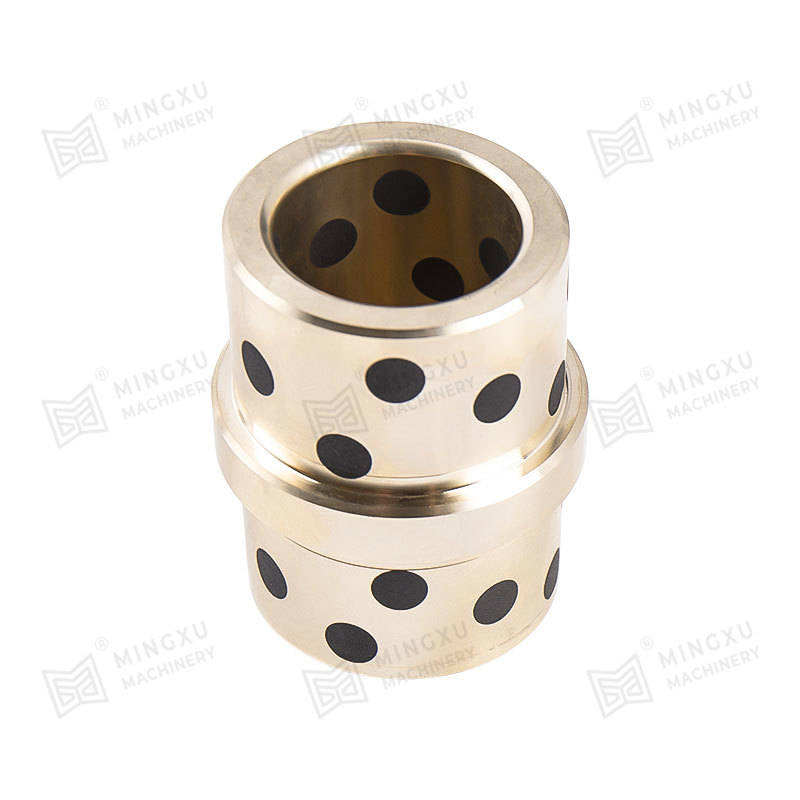
Festschmierstofflager sind so konstruiert, dass sie ohne kontinuierliche externe Schmierung funktionieren, was sie ideal für anspruchsvolle Automobil- und Luft- und Raumfahrtumgebungen macht. Durch die Einbettung von Festschmierstoffen direkt in das Lagermaterial reduzieren diese Komponenten den Wartungsaufwand, sind verschleißfest und funktionieren zuverlässig unter extremen Temperaturen, schweren Lasten und rauen Umgebungsbedingungen. Aufgrund ihrer einzigartigen Eigenschaften sind sie unverzichtbar für Anwendungen, bei denen herkömmliche Lager möglicherweise ausfallen oder häufig gewartet werden müssen.
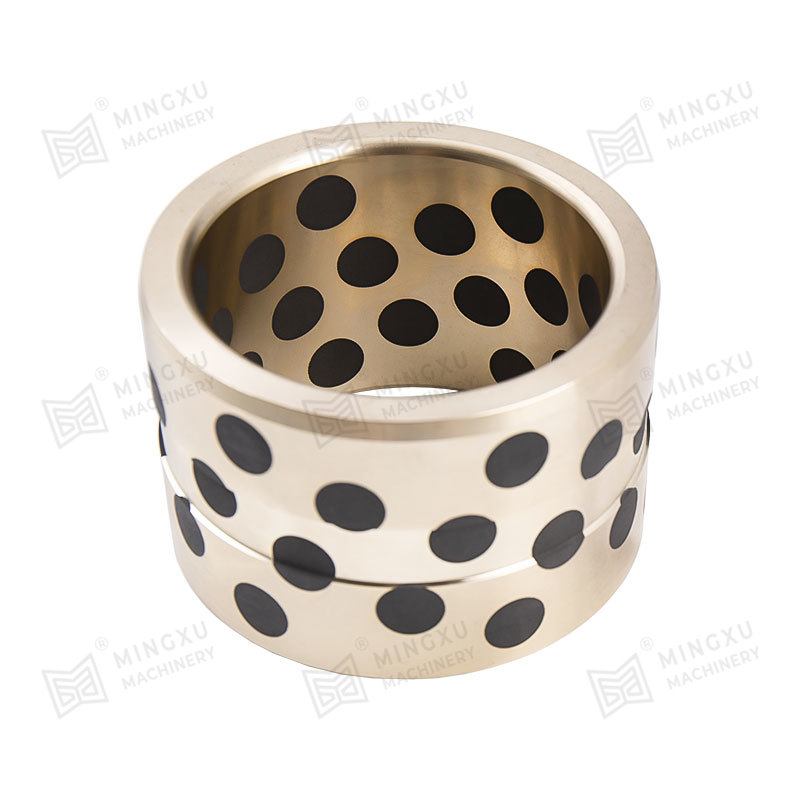
Vorteile von Feststoffschmierlagern in Automobilanwendungen
In der Automobilindustrie bieten Festschmierstofflager zahlreiche Leistungs- und Wartungsvorteile. Ihre Fähigkeit, ohne Zusatz von Fett oder Öl zu arbeiten, verringert das Risiko einer Kontamination und vereinfacht Montage- und Wartungsintervalle. Diese Lager tragen außerdem zu einem leiseren Betrieb, einer verbesserten Kraftstoffeffizienz und einer längeren Lebensdauer der Komponenten bei.
Motor- und Getriebekomponenten
Festschmierstofflager werden häufig in Motor- und Getriebesystemen eingesetzt, wo hohe Temperaturen, schwere Lasten und eingeschränkter Schmierzugang üblich sind. Komponenten wie Kipphebel, Zahnriemenspanner und Nockenstößel profitieren von den selbstschmierenden Eigenschaften, die einen reibungslosen Betrieb gewährleisten und den Verschleiß im Laufe der Zeit minimieren.
Federungs- und Lenksysteme
In Aufhängungs- und Lenksystemen werden Festkörperschmierlager in Querlenkern, Buchsen und Stabilisatorlenkern eingesetzt. Ihr selbstschmierendes Design reduziert die Reibung, verbessert das Ansprechverhalten und hält die Leistung bei wechselnden Temperaturen und Straßenbedingungen aufrecht. Dadurch entfällt auch die Notwendigkeit einer regelmäßigen Schmierung, was die Wartungskosten senkt.
Anwendungen in der Luft- und Raumfahrttechnik
Luft- und Raumfahrtanwendungen erfordern Lager, die unter extremen Belastungen, Temperaturschwankungen und Bedingungen in großen Höhen funktionieren. Festschmierstofflager erfüllen diese Anforderungen, indem sie eine hohe Verschleißfestigkeit, geringe Reibung und die Fähigkeit bieten, ohne herkömmliche Schmierung zu funktionieren, was für die Flugsicherheit und Zuverlässigkeit von entscheidender Bedeutung ist.
Fahrwerks- und Betätigungssysteme
Festschmierstofflager werden in Flugzeugfahrwerken, Aktuatoren und Steuermechanismen eingesetzt. Sie gewährleisten einen zuverlässigen Betrieb in kritischen Flugphasen, halten hohen dynamischen Belastungen stand und sorgen für eine konstante Leistung bei extremen Temperaturen. Ihre selbstschmierenden Eigenschaften verhindern außerdem Verunreinigungen und reduzieren Wartungsausfallzeiten zwischen Flügen.
Steuerflächen und Flügelmechanismen
Flugzeugsteuerflächen, einschließlich Querruder, Klappen und Ruder, sind für eine reibungslose Bewegung auf festschmierende Lager angewiesen. Diese Lager verarbeiten hochfrequente Bewegungen, sind korrosionsbeständig und funktionieren sowohl bei Minustemperaturen als auch bei erhöhten Temperaturen, wodurch präzise Manövrierfähigkeit und Zuverlässigkeit während der gesamten Lebensdauer des Flugzeugs gewährleistet werden.
Arten von Feststoffschmierlagern, die in Automobil- und Luft- und Raumfahrtanwendungen verwendet werden
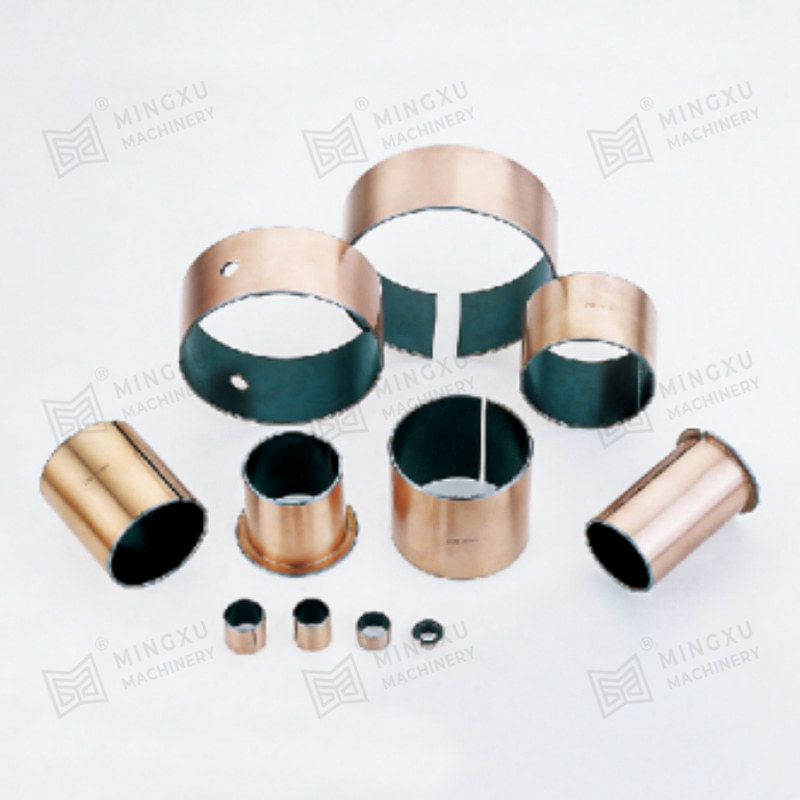
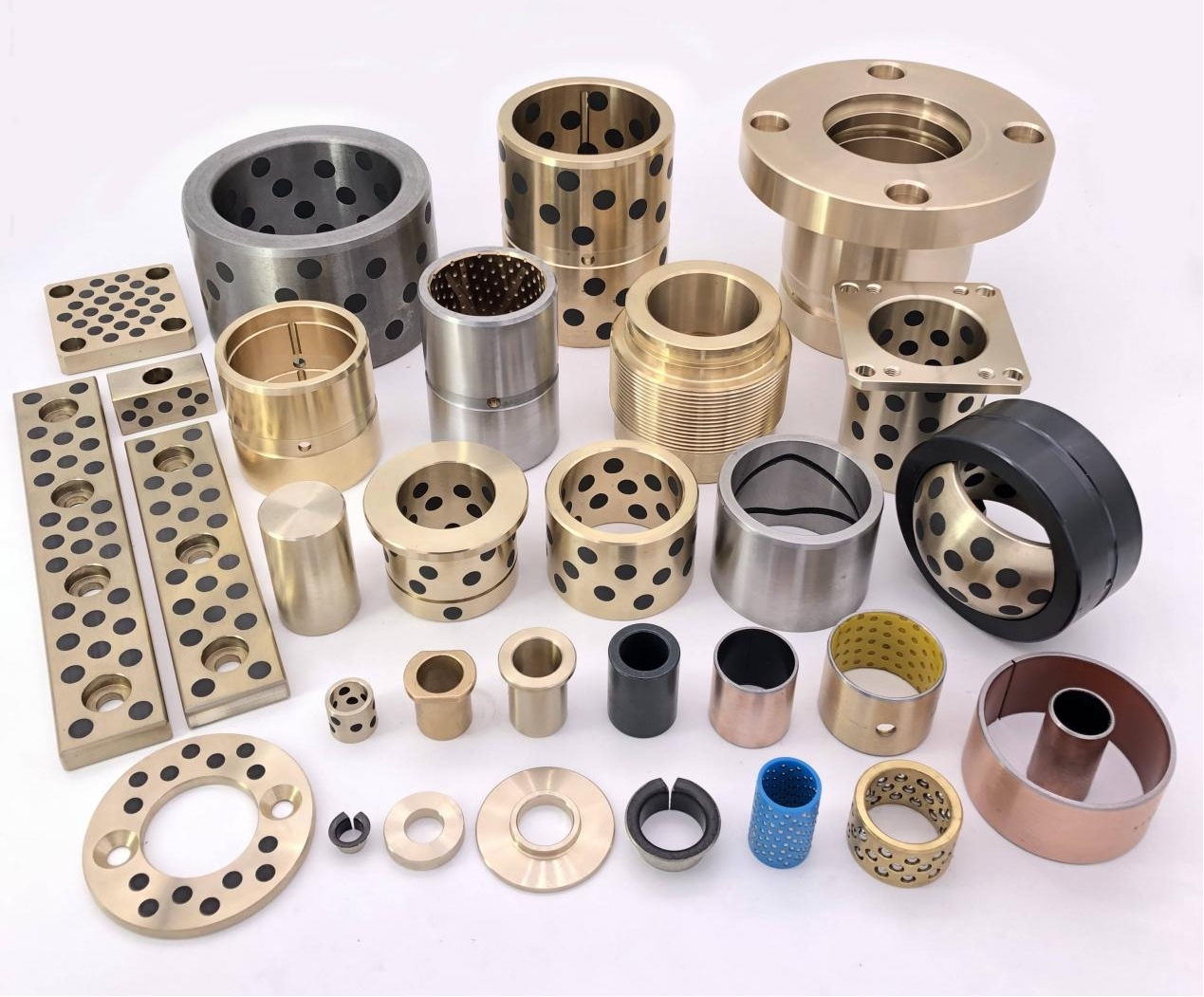
Je nach Belastung, Drehzahl, Temperatur und Umgebungsbedingungen kommen unterschiedliche Lagermaterialien und -ausführungen zum Einsatz. Die folgende Tabelle fasst gängige Typen und ihre typischen Anwendungen zusammen:
| Lagertyp | Material | Hauptmerkmale | Typische Anwendungen |
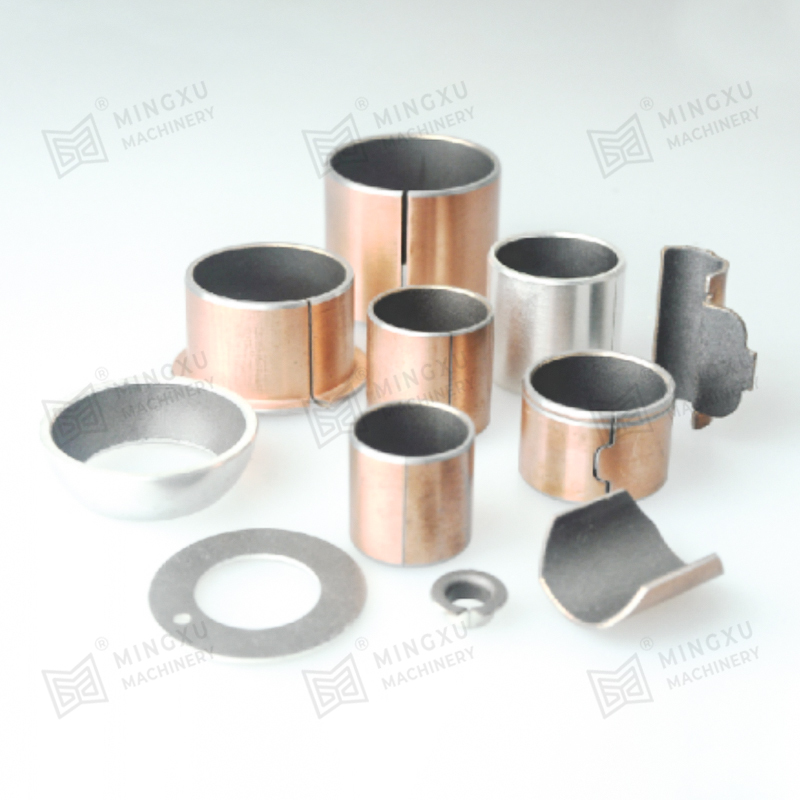
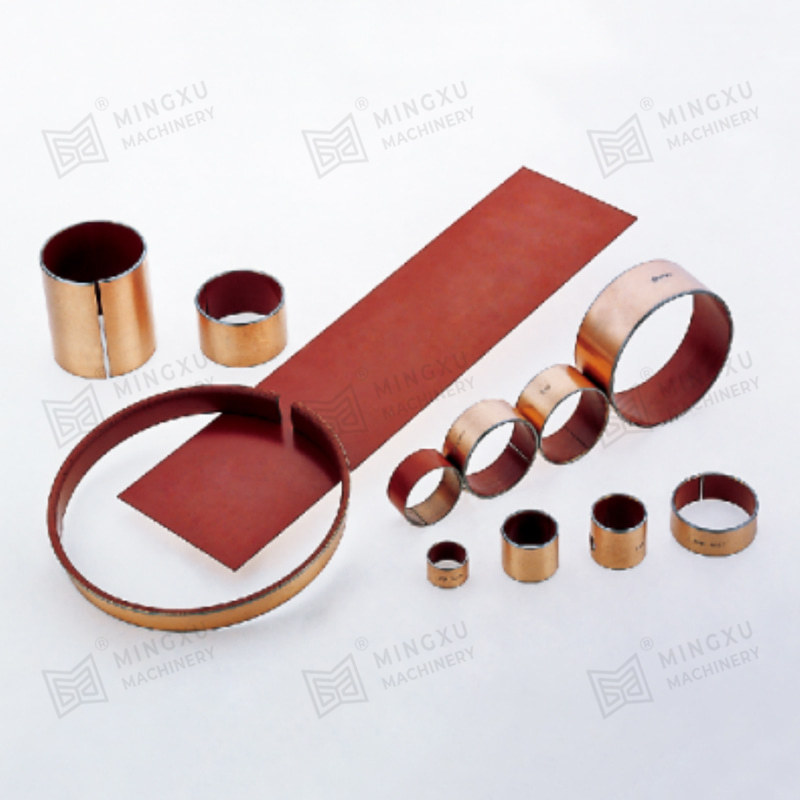
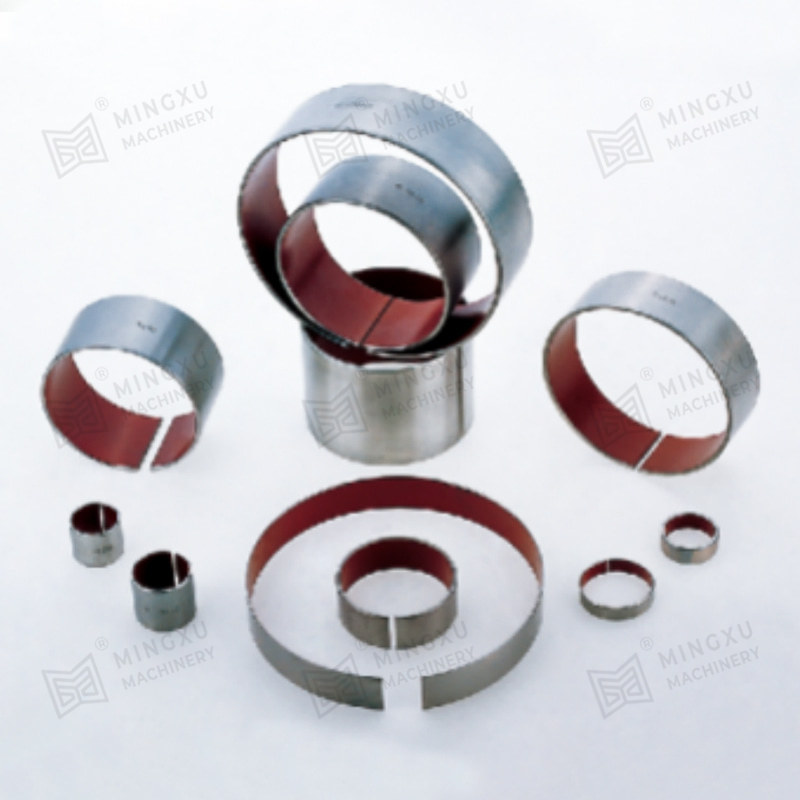
| Polymerlager | PTFE oder Verbundpolymere | Selbstschmierend, reibungsarm, korrosionsbeständig | Buchsen, Querlenker, Aufhängungsgelenke |
| Metall-Polymer-Lager | Stahl oder Bronze mit eingebettetem Festschmierstoff | Hohe Belastbarkeit, langlebig, temperaturbeständig | Fahrwerk, Aktuatoren, Motorkomponenten |
| In Graphit eingebettete Lager | Bronze oder Stahl mit Graphitschmiermittel | Hohe Temperatur, Trockenlauf, verschleißfest | Flügelscharniere, Steuergestänge, Hochtemperaturzonen |
Best Practices für die Implementierung
Die richtige Auswahl, Installation und Wartung von Festschmierstofflagern ist entscheidend, um ihre Vorteile in Automobil- und Luft- und Raumfahrtanwendungen zu maximieren. Berücksichtigen Sie die folgenden Vorgehensweisen:
- Passen Sie Lagermaterial und -design an die Last-, Geschwindigkeits- und Temperaturanforderungen an
- Sorgen Sie für eine präzise Ausrichtung und sichere Montage, um ungleichmäßigen Verschleiß zu vermeiden
- Überprüfen Sie die Lager regelmäßig auf Oberflächenverschleiß, Verschmutzung oder Verformung
- Verwenden Sie Festschmierstofflager in Bereichen, in denen herkömmliche Schmierung unpraktisch ist
- Achten Sie auf Materialkompatibilität mit den umliegenden Bauteilen, um Korrosion oder Abrieb zu vermeiden
Fazit
Festschmierstofflager sind in der modernen Automobil- und Luft- und Raumfahrttechnik unverzichtbar, da sie unter extremen Bedingungen zuverlässige Leistung bieten und gleichzeitig den Wartungsbedarf reduzieren. Ihre selbstschmierenden Eigenschaften, ihre Haltbarkeit und ihre Fähigkeit, unter schweren Lasten und Temperaturschwankungen zu arbeiten, machen sie ideal für Motoren, Aufhängungssysteme, Fahrwerke und Steuerflächen. Der Einbau dieser Lager erhöht die Lebensdauer der Ausrüstung, die Betriebseffizienz und die Sicherheit und macht sie zu einer entscheidenden Komponente in fortschrittlichen technischen Projekten.













Kontaktiere uns